
RENE TORRES
The production of one of the better-known beers in the country (Budweiser) came to a complete stop when the national ban on sale, manufacture and transportation of alcohol took place.
“Prohibition,” was the dry movement implemented by the 18th Amendment and the Volstead Act. The ban was in place from 1920-1933.
Anheuser-Busch survived this difficult economic time by producing non-alcoholic products. After “Prohibition” ended, the “Great Depression” entered and growth was slow; that was until the introduction of the new metal can in 1936, which boosted sales.
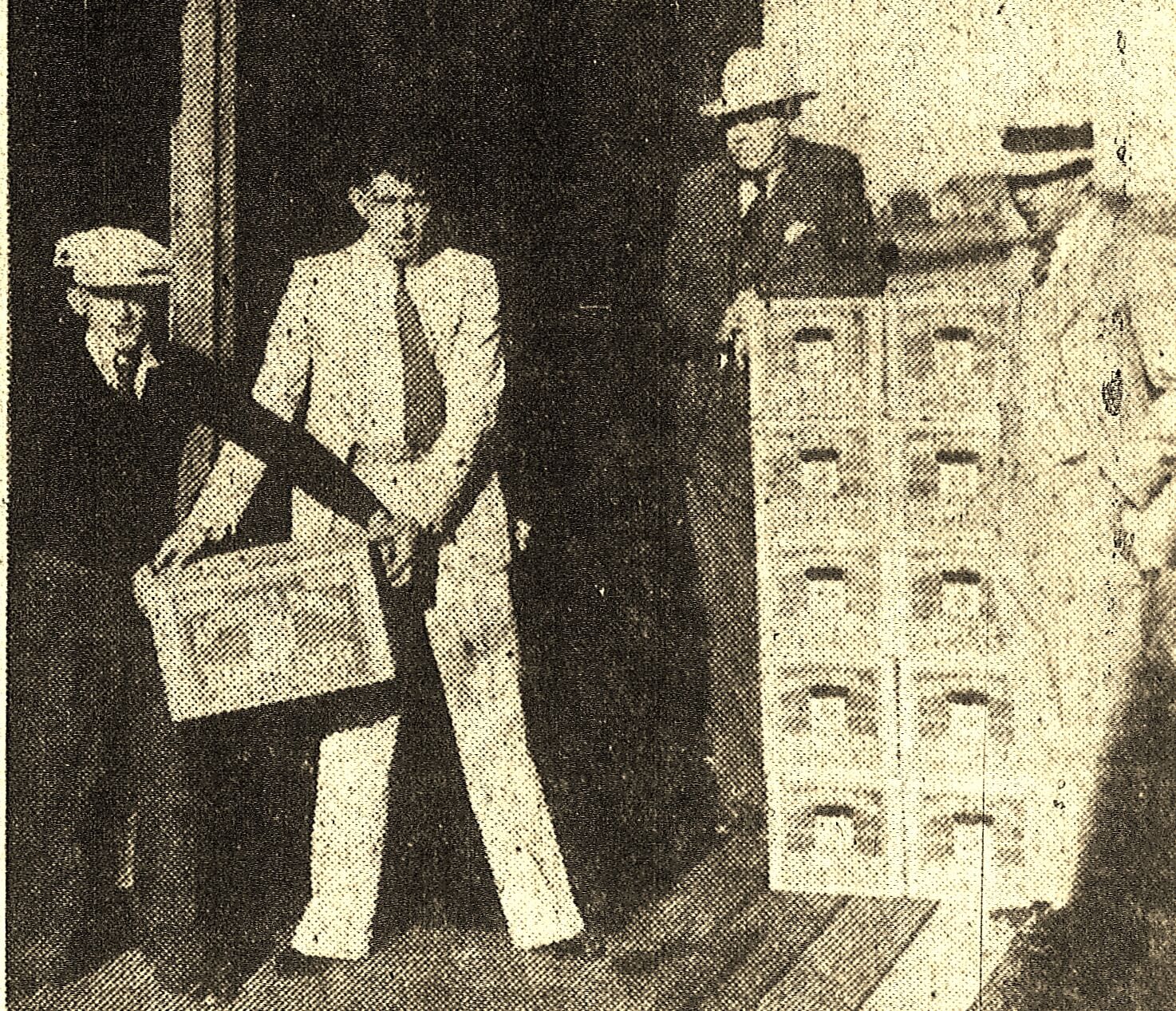
Budweiser and Faust Beers, product of Anheuser-Busch, were considered, at the time, as the best-known beers in the South. They were both welcomed in Brownsville and the Valley with the opening of Swed Beer Distributors in this city.
It was January of 1936 when the rattler came to town with a carload of the brew, a welcome site to those that frequented the “Cantinas,” on Brownsville’s Market Square.
The ambiance of the area came back to life. With more traffic, the sound of the jukebox, once again could be heard from long distances, competing with sounds of the vendors and papers boys selling the “extra of the day.”
To the reader, if you have any imagination — remove yourself from today’s digital world and go back in time, and you too can enjoy the sounds and sights of a simplistic era, when everybody got along over a cold glass of beer.
You could say that the “crazy water” changed the face of the city — that is until the rationing of WWII put a damper on its sale.
Want the story in its entirety? Pick up a copy of the San Benito News, or subscribe to our e-Edition by clicking HERE!




Recent Comments