
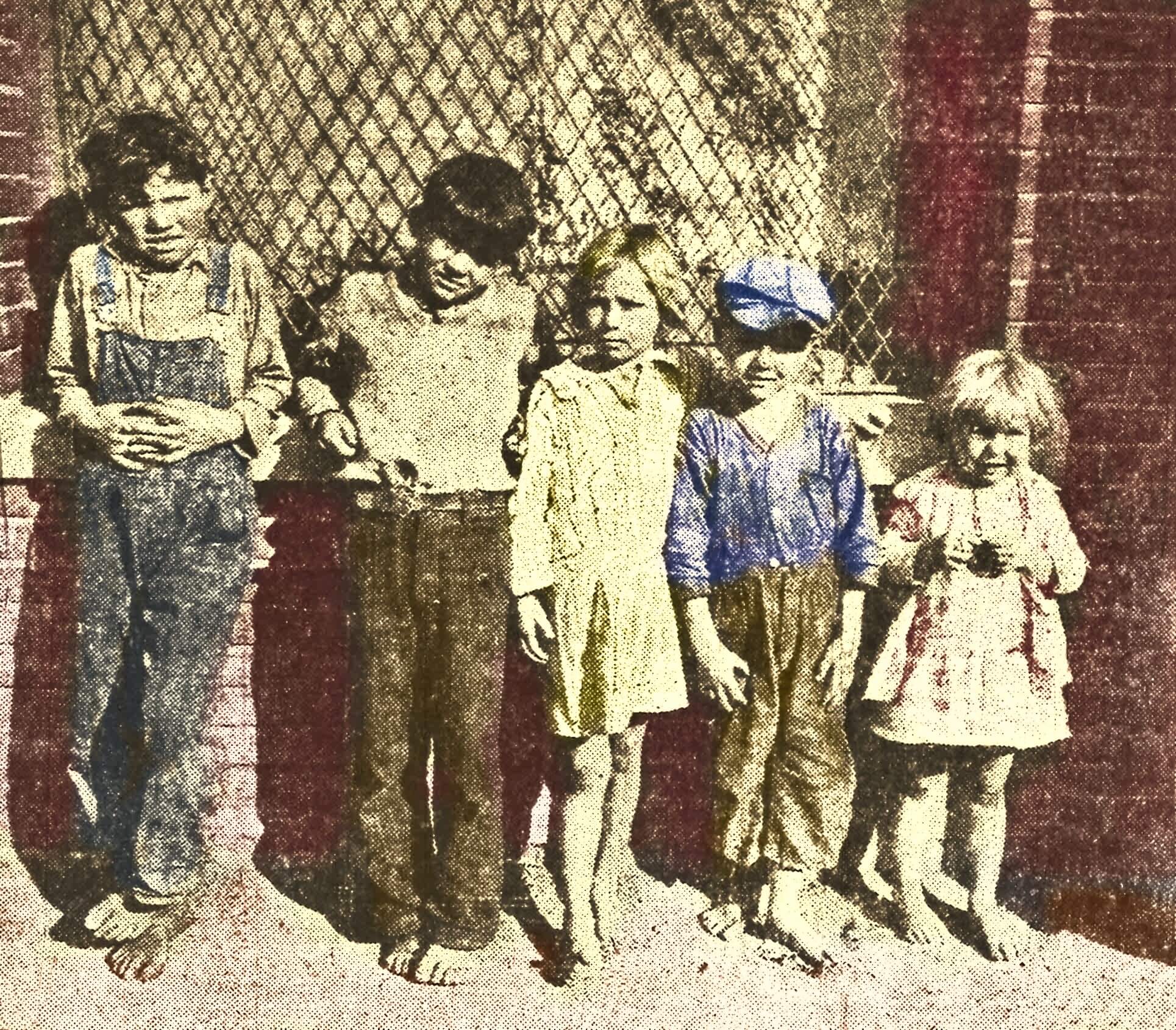
(Archival Image)
By RENE TORRES
Rene Torres is a retired University of Texas at Brownsville, and Texas Southmost College assistant professor. He has a long history in the Rio Grande Valley as an educator, sports historian and humanitarian, with a wealth of community service to his credit.
According to economists, the Stock Market Crash of 1929 was the beginning and/or, a symptom of the Great Depression. The “Depression,” which lasted for about ten years, caused mass poverty as many people lost their jobs and had no choice but to live in shanty towns. It was said that those that were rich in the roaring 20s were reduced to selling apples and pencils on street corners.
Families lost all their possessions and were divided and forced to go on public relief. The era created more homeless people and drifters than ever before.
Word spread throughout the country that the Rio Grande Valley was prosperous, with a mild climate, and as many grapefruits as one’s stomach could hold. It was a combination of these reasons that a flood of drifters made their way to the Valley.
“They came in record numbers, more than this region had seen before,” said local peace officers. A newspaper report read, “The highways of the Valley are literally lined with human driftwood, hobbling along the side of the road, or footing it along the railroad tracks.”
Brownsville today is not absent of baggers, but what the city experienced then was a stranger at every corner. They were at street intersections appealing for money, waiting for rides, and at the backdoor of many homes looking for food. In the Valley, the most vulnerable to the ills of the period were kids.
The Adventures of Tom Sawyer comes to the rescue…
During the decade, Brownsville and the rest of the Valley was deeply touched by the hard times of the period. This city, according to Mark Fanning, Capitol Theater manager, saw the rise of more poor kids than ever before. Fanning wanted to do something to bring some instant smiles to those that could not afford to go to the movies.
Speaking then, Fanning said, “I’d hate for a child in Brownsville to miss seeing this classic of child life, “The Adventures of Tom Sawyer.” This is why I am giving tickets to poor children.”
The idea was to bring some joy to the less fortunate by inviting them to the movie theater. Perhaps a movie would redeem some life into the poor sentiments of the period.
“Tom Sawyer,” the novel, was written by Mark Twain in 1876, which eventually made its way into film. The movie has been filmed and animated many times since its inception. The first was a silent version in 1907.
The classic movie came to Brownsville in Technicolor in 1938, ten years after the Capitol Theater opened its doors on Feb. 14, 1928.
On that day, there were many in the audience who could identify with the adventures and escapades of the lead character.
The movie reminded all of the importance of imagination and having fun, especially whether one lived along the Mississippi or the Rio Grande River.
An afternoon at the movies was a rich experience for all, and perhaps for a couple of hours, the pains and wounds of the Depression were less than before.
John C. Fanning was the manager of both the Queen and Capitol Theaters. He was prominent in local civic affairs and in the advancement of a “Better Brownsville.” His deeds went beyond talk.
Throughout the years, the Capitol Theater was a source of inspiration to the citizens of this community. It was a venue where people from all walks of life gathered to witness a premier, a stage performance by local talent and/or a Hollywood movie star. But more importantly, it played a major role during WWII in “Brownsville’s Scrap Iron Drive.”
The ticket to the movies was a piece of scrap iron— hundreds of kids lined Levee Street to do their part on the home front.






Recent Comments